
How Global Handmade Decor Brands Win International Interior Markets Today
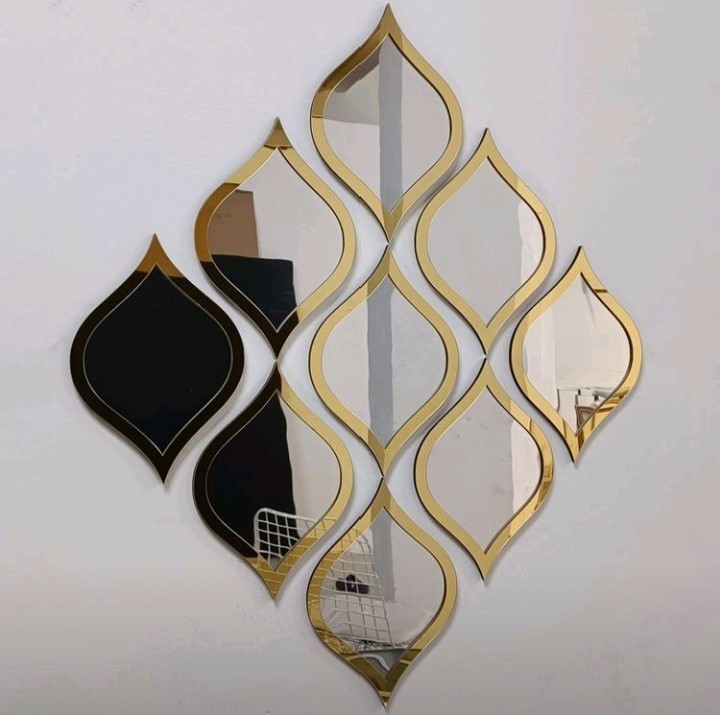
There’s something interesting happening in the home décor world right now. People aren’t just buying “things” anymore. They want stories. That’s where handmade decor quietly takes over without making noise about it. When you look at the rise of global demand, it’s not just about pretty objects. It’s about emotion tied into design. A small workshop making carved wooden pieces in one country can suddenly find buyers thousands of miles away. No magic. Just demand meeting authenticity. Businesses working in handcrafted goods export space usually start small, sometimes even messy. A few artisans, limited tools, inconsistent production. But what separates those who grow from those who stall is identity. If your work looks like everything else, nobody remembers you. But if it feels personal, slightly imperfect, real… it travels. Wall décor is a big part of this shift. Buyers don’t want mass-printed art anymore. They want texture. They want uneven brush strokes, natural grain, handmade metal cuts. That “not perfect” look is exactly what sells now. And honestly, once you step into international markets, you realize something simple: people don’t care where it’s made as much as how it makes their space feel. Why Handmade Goods Are Quietly Dominating Global Interiors If you’ve ever walked into a modern home styled by a good interior designer, you’ll notice one thing. Nothing looks factory-made, even if some of it is. There’s a deliberate shift toward handcrafted aesthetics. This is where export-focused artisans are winning without shouting about it. The global home styling market has leaned heavily into uniqueness. That’s why handmade decor exports are rising year after year. The demand isn’t random. It’s coming from hotels, Airbnb hosts, architects, and even corporate offices trying to soften their environments. Cold minimalism is out. Warm imperfection is in. Wall décor especially has become a centerpiece. Think handwoven panels, carved metal sheets, textured ceramic installations. These aren’t just decorations anymore. They’re conversation pieces. Manufacturers who understand this don’t just produce items. They design experiences. And that mindset shift is what opens international doors faster than any marketing campaign. The Real Journey From Workshop to Export Shipments Most people imagine exporting handcrafted products as some smooth business pipeline. It’s not. It’s usually a series of small chaotic wins. A typical setup starts with a local artisan cluster. Production is slow, quality varies, and scaling feels almost impossible at first. But then orders start coming from abroad—maybe through a trade fair, maybe an online inquiry, sometimes just luck. The challenge is consistency. International buyers don’t want “sometimes good.” They want every piece to feel like it came from the same soul. This is where proper systems matter. Even in handcrafted production, you need structure. Not robotic assembly lines, but repeatable quality standards. Without that, exports collapse quickly. Wall décor items are especially tricky. One slight variation in texture or color tone, and suddenly a bulk order gets rejected. It sounds harsh, but that’s global trade. Still, when it works, it really works. One small workshop can go from local sales to shipping containers heading overseas within a year or two. It’s not common, but it’s not rare either anymore. Wall Decor as the Silent Driver of Global Demand Let’s talk specifically about wall decor, because this category is doing something interesting. Unlike furniture, it’s lighter, easier to ship, and visually powerful. One piece can transform an entire room. That’s why buyers across Europe, the US, and the Middle East are constantly sourcing handmade wall pieces. There’s also a psychological angle here. Walls are blank spaces. People hate blank spaces. So they fill them with identity. Handcrafted wall décor fits perfectly into this need. Whether it’s metal art, macramé, wooden carvings, or mixed-material panels, the appeal is the same: it feels human. Exporters who focus on this category tend to scale faster because demand is continuous. Offices renovate. Hotels refresh interiors. Homeowners redecorate. The cycle never stops. And the interesting part? Trends change, but handmade wall aesthetics rarely go out of style. They just evolve slightly. How Manufacturers Build Global Trust Without Big Branding Here’s something not many people talk about: most successful handcrafted exporters don’t start with branding. They start with reliability. Buyers overseas don’t care about fancy logos in the beginning. They care about delivery timelines, packaging quality, and whether the product matches what was promised. Once trust is built, branding comes later almost naturally. Many small producers in the handmade decor export space grow through repeat buyers. One hotel chain orders wall décor once, likes it, and then expands to multiple properties. That’s how real scaling happens. The problem is consistency again. Handmade doesn’t mean careless. It still needs measurement, quality checks, and honest communication. A lot of workshops struggle here. They focus too much on creativity and forget logistics. But export markets are unforgiving. One late shipment can ruin a relationship. Still, those who balance creativity with discipline tend to stick around longer. They quietly build reputations without loud advertising. Challenges Nobody Talks About in Export Craft Business Let’s be real for a second. This industry looks romantic from the outside, but inside it can be frustrating. Raw material costs fluctuate. Skilled artisans are not always available. And scaling handmade production is never linear. You don’t just “hire more people” and double output. Then there’s compliance. International shipping rules, packaging standards, customs documentation… it can get overwhelming fast. Even wall décor, which seems simple, can become complicated when it involves fragile materials or irregular shapes. Another issue is imitation. Once a design becomes popular, copy versions appear quickly in cheaper markets. That can hurt original makers badly. But despite all this, people stay in the space because it still offers something rare: direct connection between creator and global buyer. That doesn’t happen in most industries anymore. The Role of Design Trends in Global Handmade Success Design trends control more of this industry than people admit. What sells today might not sell next year. Right now, the global interior market leans toward natural textures,