
Why Handmade Wooden Decor Still Feels More Valuable Inside Modern Homes
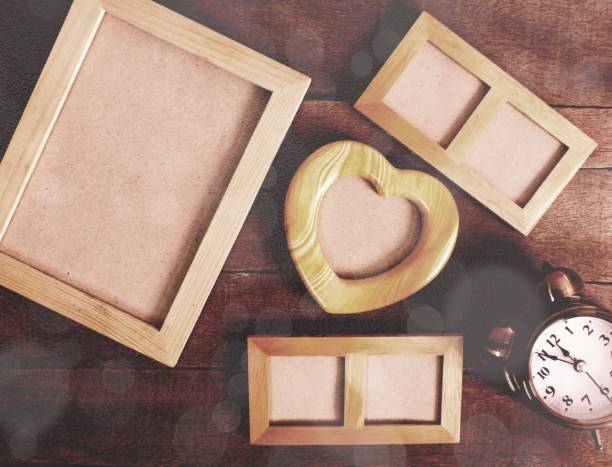
Walk into a home with cheap plastic décor everywhere and you feel it immediately. Nothing has warmth. Everything looks temporary somehow. Then you walk into a room with real wood textures, handcrafted frames, natural finishes. Completely different atmosphere. Feels lived in. Personal. Human. That’s partly why demand for handcrafted home décor keeps growing even while mass-produced products flood online marketplaces every day. People got tired of buying things that feel disposable after six months. A good photo frame manufacturer understands this better than most. Frames aren’t just borders around pictures honestly. They become part of the memory itself. Wedding photos, family portraits, travel moments. The frame shapes how people emotionally connect with those images over time. And wood changes the feeling completely compared to synthetic materials. Real grain patterns. Slight imperfections. Weight in your hands. Natural textures matter more than people expect. The wider market for wooden products also grew because homeowners started wanting spaces feeling calmer and more grounded instead of overly polished like furniture showrooms nobody actually lives inside. Mass Production Usually Removes Personality From Home Décor Factories can make thousands of identical frames quickly. Efficient maybe. Memorable? Not really. One issue with heavily mass-produced home accessories is sameness. Every store sells nearly identical designs, same finishes, same machine-perfect edges. After a while nothing stands out anymore because everything feels copied from the same catalog. That’s why smaller workshops and experienced photo frame manufacturer businesses still hold strong value. Hand-finished details create character machines struggle to replicate naturally. Tiny grain variations. Slight texture differences. Even small imperfections make products feel authentic instead of sterile. People connect emotionally with handcrafted work because it feels like actual human effort exists behind the product. Weird maybe, but true. The same thing happened across the wider wooden products market too. Handmade shelves, trays, organizers, and decorative pieces gained popularity because buyers wanted homes feeling more individual rather than perfectly staged for social media photos. And honestly, over-polished perfection started looking less interesting recently anyway. Natural materials age better visually because they develop character over time instead of simply wearing out. Why Wooden Décor Feels Warmer Than Metal Or Plastic Wood changes room energy quietly. Hard to explain properly sometimes until you compare spaces directly. Metal décor often feels cold or industrial. Plastic feels temporary. Glass can feel overly formal depending on the setting. Wood sits somewhere different. Softer visually. More relaxed. Easier to live around daily. That’s one reason interior designers still lean heavily toward wooden products even while modern synthetic materials keep evolving technically. Natural wood adds warmth without trying too hard. It balances minimalist spaces especially well because it softens sharp edges and neutral color schemes naturally. A skilled photo frame manufacturer knows wood selection matters massively too. Oak, pine, walnut, teak. Different woods completely change the mood of a frame even when the design itself stays simple. And honestly, customers notice quality quickly once they touch real wood compared to imitation laminate finishes pretending to look authentic. Weight, texture, smell. Real materials create sensory differences cheap replicas can’t fake completely. People may not always explain why they prefer handcrafted wooden décor. They just instinctively respond to it differently. Social Media Actually Increased Interest In Handmade Home Accessories Kind of ironic honestly. Digital culture pushed people back toward natural materials. After years staring at screens constantly, many homeowners started craving spaces feeling less artificial. More textured. More grounded. That shift pushed handmade décor trends hard across social platforms and interior design communities. Suddenly people cared about craftsmanship again. Raw wood textures. Hand-carved details. Natural finishes. Minimalist homes filled with synthetic glossy décor started feeling emotionally cold after a while. A quality photo frame manufacturer benefits from this shift because frames became visible parts of interior styling instead of background accessories nobody notices. People now style shelves, gallery walls, desks, and living spaces carefully for both personal enjoyment and online presentation. And wooden products fit modern aesthetics surprisingly well because they work across different styles. Rustic homes obviously. But also minimalist apartments, Scandinavian interiors, modern offices. Wood adapts easily without feeling trendy in a temporary way. That timelessness matters. Customers increasingly want products lasting years visually instead of chasing short-lived décor trends constantly. Why Cheap Materials Usually Cost More Long-Term People buy low-cost décor thinking they save money initially. Sometimes true short-term. Not always long-term though. Cheap frames warp. Plastic corners crack. Thin synthetic finishes peel after sunlight exposure or humidity changes. Suddenly replacements become necessary far sooner than expected. A durable photo frame manufacturer focused on quality materials usually produces products lasting significantly longer because solid wood handles aging differently than cheaper alternatives. Small scratches often add character instead of ruining appearance completely. The same applies across most wooden products honestly. Well-made wood furniture and décor pieces age gracefully when maintained properly. Lower-quality synthetic products usually just deteriorate visibly. And customers increasingly recognize this difference because replacement culture became exhausting. Constantly rebuying cheap household items gets frustrating after a while. Quality craftsmanship feels more valuable partly because it reduces that cycle. Buy once, maintain occasionally, keep it for years. Simpler. Honestly, durability became part of modern luxury in some ways. People appreciate products surviving daily life instead of feeling disposable immediately after purchase. Customization Became More Important Than Generic Décor Choices Homeowners want spaces reflecting personal identity now more than before. Cookie-cutter decoration feels boring fast. That’s why custom framing and handcrafted décor grew steadily. People want sizes fitting specific photographs, finishes matching furniture, designs complementing their actual homes rather than random store displays. A flexible photo frame manufacturer offering customization options holds a huge advantage because customers increasingly value personalization over mass-market convenience alone. Custom wood finishes, engraved details, handcrafted dimensions. Those small adjustments create emotional attachment people rarely feel toward generic store-bought décor. The broader wooden products industry adapted similarly. Personalized serving trays, custom shelving, engraved gift items. Customers respond strongly when products feel specifically created for them instead of millions of strangers simultaneously. And honestly, emotional
Why Quality Craft Production Still Matters in Modern Decor
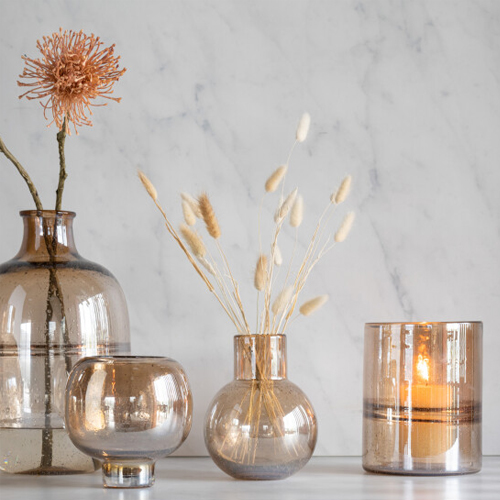
People throw around the word “handmade” like it’s some marketing trick. It’s not. At least, it shouldn’t be. A true handcrafts manufacturer doesn’t just assemble products — they build them from scratch, often with raw materials that don’t behave perfectly every time. That’s the point. You get variation, texture, character. In today’s market, where machine-made items flood every category, the role of a home decor manufacturer rooted in craftsmanship is honestly more important than ever. Customers are tired of identical pieces. They want something that feels… real. Something that doesn’t look like it came off a conveyor belt in five seconds flat. And yeah, that demand is growing faster than most businesses expected. How Skilled Craftsmanship Shapes Product Value Here’s the thing most people miss — craftsmanship isn’t just about how something looks. It’s about how it lasts. A skilled handcrafts manufacturer understands material behavior in a way machines don’t. Wood expands. Metal reacts. Fabric changes over time. That knowledge? It comes from experience, not software. You can tell when something’s made with care. The joints feel stronger. The finish looks deeper. Even small details, like edges or stitching, stand out. A home decor manufacturer working with trained artisans brings that level of detail into every product. It’s subtle sometimes, but it adds up. Over time, that’s what builds trust with customers. Not ads. Not discounts. Just consistency. The Difference Between Mass Production and Artisan Work Mass production is efficient. No argument there. It’s fast, scalable, and predictable. But it also strips away individuality. Every piece ends up looking exactly the same, which might work for some markets, but not for everyone. A handcrafts manufacturer operates differently. There’s a slower pace. More attention. Sometimes even small inconsistencies — and those aren’t flaws, they’re proof that a human actually made it. A good home decor manufacturer knows how to balance that. They don’t aim for perfection. They aim for authenticity. And honestly, that’s what people connect with more. Materials Matter More Than You Think You can’t fake quality materials. Doesn’t matter how good the design is — if the base material is weak, the product won’t hold up. A reliable handcrafts manufacturer spends serious time sourcing the right raw materials. Not just what’s cheapest or easiest to get. What actually works. For a home decor manufacturer, this becomes even more critical. These products sit in people’s homes every day. They get used, touched, sometimes abused a little. So yeah, durability matters. But so does feel. Texture. Weight. Those small sensory things people don’t always talk about, but they notice. Why Global Buyers Prefer Handmade Decor Products If you look at export trends, handmade decor is getting a lot of attention. Buyers from different countries are actively searching for a dependable handcrafts manufacturer who can deliver both quality and consistency. Not easy, by the way. Doing handmade work at scale without losing quality — that’s tough. A strong home decor manufacturer figures out that balance. They train artisans. Set processes. Still keep the human touch alive. That’s why international buyers stick around once they find a good supplier. It’s not just about price. It’s about reliability. And yeah, a bit of trust too, which takes time to build. Customization Is Changing the Game Customization used to be a luxury. Now it’s almost expected. People want decor that fits their space, their taste, their mood even. A flexible handcrafts manufacturer can adapt designs without completely reworking the process every time. That’s a big advantage. For a home decor manufacturer, offering custom options opens new doors. Different finishes. Sizes. Materials. Even slight design tweaks can make a product feel personal. And customers remember that. They come back for it. It’s not complicated, just… requires effort and a willingness to not take shortcuts. Challenges in Maintaining Handmade Quality at Scale Let’s be honest — scaling handcrafted production isn’t easy. There’s always a risk of quality slipping when demand increases. A handcrafts manufacturer has to constantly train teams, monitor output, and fix issues fast. Otherwise things fall apart quickly. A home decor manufacturer dealing with large orders also faces deadlines, shipping pressures, and cost constraints. It’s a balancing act. Push too hard for volume, quality drops. Focus only on quality, you miss deadlines. The ones who succeed? They find a middle ground. Not perfect, but workable. Building Long-Term Trust in the Decor Industry Trust isn’t built overnight. Sounds obvious, but a lot of businesses still chase quick wins. A handcrafts manufacturer that focuses on long-term relationships — with both artisans and clients — tends to last longer in the market. Same goes for any home decor manufacturer trying to grow globally. Communication matters. Transparency too. If something goes wrong, say it. Fix it. People respect that more than silence or excuses. Over time, those small actions build a reputation that no marketing campaign can replace. Conclusion At the end of the day, handcrafted production isn’t just about making products. It’s about preserving a way of working that values skill, patience, and attention to detail. A reliable handcrafts manufacturer doesn’t chase perfection — they chase authenticity. And that’s exactly what today’s buyers are looking for. For any home decor manufacturer aiming to stand out, the path is pretty clear. Focus on quality. Respect the process. Don’t rush what shouldn’t be rushed. It’s not the fastest way to grow, but it’s the one that actually lasts.