
Why Handmade Wooden Decor Still Feels More Valuable Inside Modern Homes
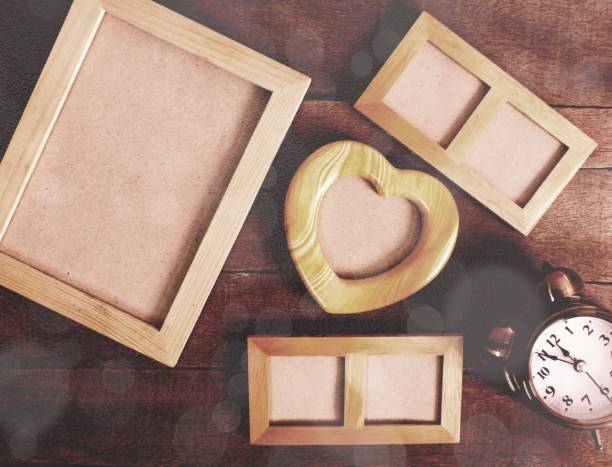
Walk into a home with cheap plastic décor everywhere and you feel it immediately. Nothing has warmth. Everything looks temporary somehow. Then you walk into a room with real wood textures, handcrafted frames, natural finishes. Completely different atmosphere. Feels lived in. Personal. Human. That’s partly why demand for handcrafted home décor keeps growing even while mass-produced products flood online marketplaces every day. People got tired of buying things that feel disposable after six months. A good photo frame manufacturer understands this better than most. Frames aren’t just borders around pictures honestly. They become part of the memory itself. Wedding photos, family portraits, travel moments. The frame shapes how people emotionally connect with those images over time. And wood changes the feeling completely compared to synthetic materials. Real grain patterns. Slight imperfections. Weight in your hands. Natural textures matter more than people expect. The wider market for wooden products also grew because homeowners started wanting spaces feeling calmer and more grounded instead of overly polished like furniture showrooms nobody actually lives inside. Mass Production Usually Removes Personality From Home Décor Factories can make thousands of identical frames quickly. Efficient maybe. Memorable? Not really. One issue with heavily mass-produced home accessories is sameness. Every store sells nearly identical designs, same finishes, same machine-perfect edges. After a while nothing stands out anymore because everything feels copied from the same catalog. That’s why smaller workshops and experienced photo frame manufacturer businesses still hold strong value. Hand-finished details create character machines struggle to replicate naturally. Tiny grain variations. Slight texture differences. Even small imperfections make products feel authentic instead of sterile. People connect emotionally with handcrafted work because it feels like actual human effort exists behind the product. Weird maybe, but true. The same thing happened across the wider wooden products market too. Handmade shelves, trays, organizers, and decorative pieces gained popularity because buyers wanted homes feeling more individual rather than perfectly staged for social media photos. And honestly, over-polished perfection started looking less interesting recently anyway. Natural materials age better visually because they develop character over time instead of simply wearing out. Why Wooden Décor Feels Warmer Than Metal Or Plastic Wood changes room energy quietly. Hard to explain properly sometimes until you compare spaces directly. Metal décor often feels cold or industrial. Plastic feels temporary. Glass can feel overly formal depending on the setting. Wood sits somewhere different. Softer visually. More relaxed. Easier to live around daily. That’s one reason interior designers still lean heavily toward wooden products even while modern synthetic materials keep evolving technically. Natural wood adds warmth without trying too hard. It balances minimalist spaces especially well because it softens sharp edges and neutral color schemes naturally. A skilled photo frame manufacturer knows wood selection matters massively too. Oak, pine, walnut, teak. Different woods completely change the mood of a frame even when the design itself stays simple. And honestly, customers notice quality quickly once they touch real wood compared to imitation laminate finishes pretending to look authentic. Weight, texture, smell. Real materials create sensory differences cheap replicas can’t fake completely. People may not always explain why they prefer handcrafted wooden décor. They just instinctively respond to it differently. Social Media Actually Increased Interest In Handmade Home Accessories Kind of ironic honestly. Digital culture pushed people back toward natural materials. After years staring at screens constantly, many homeowners started craving spaces feeling less artificial. More textured. More grounded. That shift pushed handmade décor trends hard across social platforms and interior design communities. Suddenly people cared about craftsmanship again. Raw wood textures. Hand-carved details. Natural finishes. Minimalist homes filled with synthetic glossy décor started feeling emotionally cold after a while. A quality photo frame manufacturer benefits from this shift because frames became visible parts of interior styling instead of background accessories nobody notices. People now style shelves, gallery walls, desks, and living spaces carefully for both personal enjoyment and online presentation. And wooden products fit modern aesthetics surprisingly well because they work across different styles. Rustic homes obviously. But also minimalist apartments, Scandinavian interiors, modern offices. Wood adapts easily without feeling trendy in a temporary way. That timelessness matters. Customers increasingly want products lasting years visually instead of chasing short-lived décor trends constantly. Why Cheap Materials Usually Cost More Long-Term People buy low-cost décor thinking they save money initially. Sometimes true short-term. Not always long-term though. Cheap frames warp. Plastic corners crack. Thin synthetic finishes peel after sunlight exposure or humidity changes. Suddenly replacements become necessary far sooner than expected. A durable photo frame manufacturer focused on quality materials usually produces products lasting significantly longer because solid wood handles aging differently than cheaper alternatives. Small scratches often add character instead of ruining appearance completely. The same applies across most wooden products honestly. Well-made wood furniture and décor pieces age gracefully when maintained properly. Lower-quality synthetic products usually just deteriorate visibly. And customers increasingly recognize this difference because replacement culture became exhausting. Constantly rebuying cheap household items gets frustrating after a while. Quality craftsmanship feels more valuable partly because it reduces that cycle. Buy once, maintain occasionally, keep it for years. Simpler. Honestly, durability became part of modern luxury in some ways. People appreciate products surviving daily life instead of feeling disposable immediately after purchase. Customization Became More Important Than Generic Décor Choices Homeowners want spaces reflecting personal identity now more than before. Cookie-cutter decoration feels boring fast. That’s why custom framing and handcrafted décor grew steadily. People want sizes fitting specific photographs, finishes matching furniture, designs complementing their actual homes rather than random store displays. A flexible photo frame manufacturer offering customization options holds a huge advantage because customers increasingly value personalization over mass-market convenience alone. Custom wood finishes, engraved details, handcrafted dimensions. Those small adjustments create emotional attachment people rarely feel toward generic store-bought décor. The broader wooden products industry adapted similarly. Personalized serving trays, custom shelving, engraved gift items. Customers respond strongly when products feel specifically created for them instead of millions of strangers simultaneously. And honestly, emotional
Why Choosing the Right Decorative Display Maker Matters Most
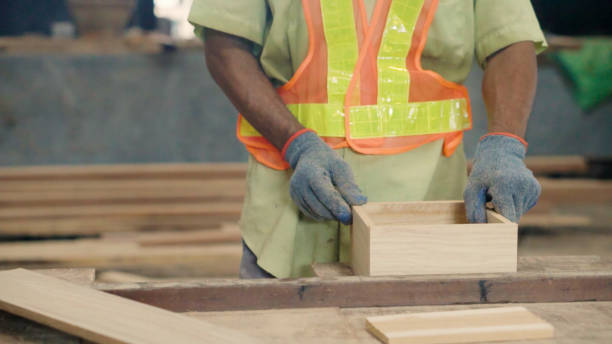
Most people don’t think twice about where a display stand comes from. They see flowers arranged neatly, maybe in a wedding hall or a retail shop, and that’s it. But behind that setup is usually a skilled flower stand manufacturer who knows how to balance design with durability. And honestly, that balance is harder than it sounds. A stand isn’t just there to “hold” flowers. It has to complement the arrangement, survive transport, handle weight, and still look clean after multiple uses. That’s where experience kicks in. The good ones don’t just build stands, they understand how florists and decorators actually work on the ground. Craftsmanship That Still Matters in a Machine-Driven Market There’s a shift happening, no doubt. Machines are faster, cheaper, and consistent. But when it comes to handcrafts items, machine perfection sometimes feels… empty. A handcrafted stand carries small variations. Slight curves, tiny imperfections, things you don’t notice at first but they give character. That’s why a lot of buyers still lean toward handmade work, especially for events or premium decor setups. A seasoned wooden items manufacturer who still respects traditional crafting methods tends to produce pieces that feel more “alive.” It’s not just about aesthetics, it’s about connection. People can tell the difference, even if they can’t explain it. Why Material Choice Can Make or Break the Final Product Let’s be real. You can have the best design in the world, but if the material is weak, the whole thing fails. A reliable flower stand manufacturer knows exactly which wood works best for which purpose. Some woods are great for indoor decorative pieces but won’t last a week outdoors. Others are heavy-duty but lack that polished look people want for events. The trick is knowing where to compromise and where not to. That’s why experienced wooden items manufacturer setups usually test different materials over time instead of just sticking to one type. It’s trial, error, and then consistency. The Growing Demand for Unique Handcrafted Displays Walk into any modern event setup today and you’ll notice something. Everything is becoming more personalized. Clients don’t want “standard” anymore. They want something that feels like it was made for them. That’s where handcrafts items come in strong. A generic metal stand can’t compete with a handcrafted wooden display that has texture and depth. Flower decorators especially look for pieces that stand out in photos because, let’s be honest, social media is driving a lot of these decisions now. A unique stand becomes part of the storytelling, not just a background object. How a Wooden Items Manufacturer Adds Long-Term Value A good wooden items manufacturer doesn’t just sell you a product and disappear. They usually think long-term. Will this stand last? Can it be reused? Is it easy to repair if something breaks? These things matter, especially for businesses that use these items repeatedly. Cheap options might look fine initially, but they wear out quickly. And then you’re back to buying again. It ends up costing more. That’s why many experienced buyers stick with trusted manufacturers even if the upfront cost is higher. Reliability saves money, and headaches too. Balancing Design Trends with Practical Use Trends change fast. One year it’s minimalistic designs, next year it’s bold and rustic. A smart flower stand manufacturer keeps an eye on these shifts but doesn’t blindly follow them. Because not every trend works in real-world use. Some designs look amazing in pictures but are unstable or hard to transport. And that’s a problem. The best manufacturers find that middle ground where design meets usability. They tweak trends instead of copying them directly. It’s a subtle difference, but it shows in the final product. Customization: Where Real Expertise Shows Up Anyone can produce standard designs in bulk. Customization is where things get tricky. When a client asks for a specific height, finish, or structural tweak, it requires actual skill to deliver without compromising quality. This is where experienced creators of handcrafts items stand out. They understand proportions, weight distribution, and finishing techniques well enough to adapt. It’s not guesswork. It’s experience built over years. And honestly, that’s what clients are paying for when they choose custom work over ready-made options. Choosing the Right Manufacturer Without Overthinking It People often overcomplicate this part. They compare too many options, look at endless catalogs, and still feel unsure. The truth is simpler. Look at previous work. Check how consistent it is. Talk to the manufacturer and see if they understand your needs or just push their own designs. A reliable flower stand manufacturer or wooden items manufacturer won’t rush you. They’ll ask questions. They’ll suggest improvements. That’s usually a good sign. If everything feels too salesy, it probably is. Conclusion At the end of the day, choosing the right manufacturer isn’t just about price or design. It’s about trust. A well-made stand quietly does its job without drawing attention for the wrong reasons. It supports the decor, enhances the setup, and lasts longer than expected. Whether it’s handcrafts items or large-scale wooden displays, quality always shows over time. And once you’ve worked with someone who gets it right, you don’t really go back to random choices again. You stick with what works, simple as that.
How Global Handmade Decor Brands Win International Interior Markets Today
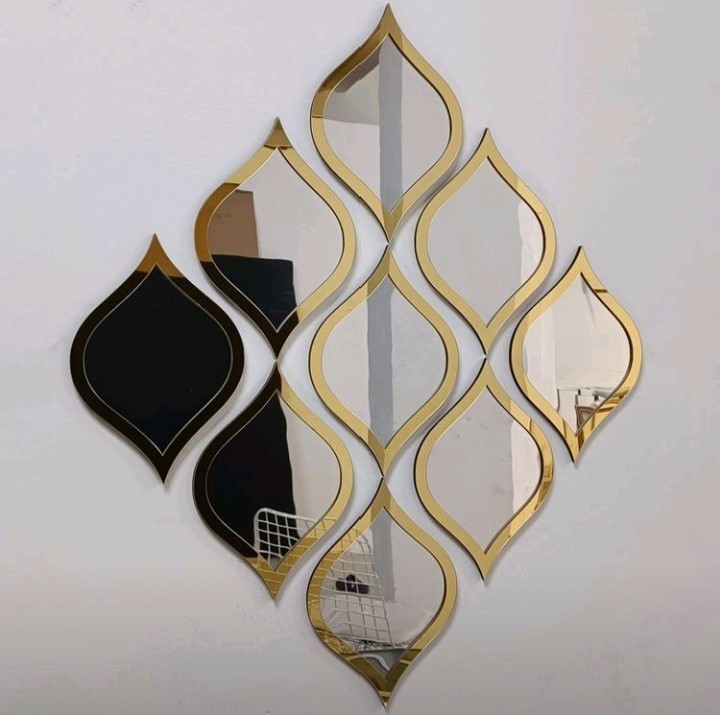
There’s something interesting happening in the home décor world right now. People aren’t just buying “things” anymore. They want stories. That’s where handmade decor quietly takes over without making noise about it. When you look at the rise of global demand, it’s not just about pretty objects. It’s about emotion tied into design. A small workshop making carved wooden pieces in one country can suddenly find buyers thousands of miles away. No magic. Just demand meeting authenticity. Businesses working in handcrafted goods export space usually start small, sometimes even messy. A few artisans, limited tools, inconsistent production. But what separates those who grow from those who stall is identity. If your work looks like everything else, nobody remembers you. But if it feels personal, slightly imperfect, real… it travels. Wall décor is a big part of this shift. Buyers don’t want mass-printed art anymore. They want texture. They want uneven brush strokes, natural grain, handmade metal cuts. That “not perfect” look is exactly what sells now. And honestly, once you step into international markets, you realize something simple: people don’t care where it’s made as much as how it makes their space feel. Why Handmade Goods Are Quietly Dominating Global Interiors If you’ve ever walked into a modern home styled by a good interior designer, you’ll notice one thing. Nothing looks factory-made, even if some of it is. There’s a deliberate shift toward handcrafted aesthetics. This is where export-focused artisans are winning without shouting about it. The global home styling market has leaned heavily into uniqueness. That’s why handmade decor exports are rising year after year. The demand isn’t random. It’s coming from hotels, Airbnb hosts, architects, and even corporate offices trying to soften their environments. Cold minimalism is out. Warm imperfection is in. Wall décor especially has become a centerpiece. Think handwoven panels, carved metal sheets, textured ceramic installations. These aren’t just decorations anymore. They’re conversation pieces. Manufacturers who understand this don’t just produce items. They design experiences. And that mindset shift is what opens international doors faster than any marketing campaign. The Real Journey From Workshop to Export Shipments Most people imagine exporting handcrafted products as some smooth business pipeline. It’s not. It’s usually a series of small chaotic wins. A typical setup starts with a local artisan cluster. Production is slow, quality varies, and scaling feels almost impossible at first. But then orders start coming from abroad—maybe through a trade fair, maybe an online inquiry, sometimes just luck. The challenge is consistency. International buyers don’t want “sometimes good.” They want every piece to feel like it came from the same soul. This is where proper systems matter. Even in handcrafted production, you need structure. Not robotic assembly lines, but repeatable quality standards. Without that, exports collapse quickly. Wall décor items are especially tricky. One slight variation in texture or color tone, and suddenly a bulk order gets rejected. It sounds harsh, but that’s global trade. Still, when it works, it really works. One small workshop can go from local sales to shipping containers heading overseas within a year or two. It’s not common, but it’s not rare either anymore. Wall Decor as the Silent Driver of Global Demand Let’s talk specifically about wall decor, because this category is doing something interesting. Unlike furniture, it’s lighter, easier to ship, and visually powerful. One piece can transform an entire room. That’s why buyers across Europe, the US, and the Middle East are constantly sourcing handmade wall pieces. There’s also a psychological angle here. Walls are blank spaces. People hate blank spaces. So they fill them with identity. Handcrafted wall décor fits perfectly into this need. Whether it’s metal art, macramé, wooden carvings, or mixed-material panels, the appeal is the same: it feels human. Exporters who focus on this category tend to scale faster because demand is continuous. Offices renovate. Hotels refresh interiors. Homeowners redecorate. The cycle never stops. And the interesting part? Trends change, but handmade wall aesthetics rarely go out of style. They just evolve slightly. How Manufacturers Build Global Trust Without Big Branding Here’s something not many people talk about: most successful handcrafted exporters don’t start with branding. They start with reliability. Buyers overseas don’t care about fancy logos in the beginning. They care about delivery timelines, packaging quality, and whether the product matches what was promised. Once trust is built, branding comes later almost naturally. Many small producers in the handmade decor export space grow through repeat buyers. One hotel chain orders wall décor once, likes it, and then expands to multiple properties. That’s how real scaling happens. The problem is consistency again. Handmade doesn’t mean careless. It still needs measurement, quality checks, and honest communication. A lot of workshops struggle here. They focus too much on creativity and forget logistics. But export markets are unforgiving. One late shipment can ruin a relationship. Still, those who balance creativity with discipline tend to stick around longer. They quietly build reputations without loud advertising. Challenges Nobody Talks About in Export Craft Business Let’s be real for a second. This industry looks romantic from the outside, but inside it can be frustrating. Raw material costs fluctuate. Skilled artisans are not always available. And scaling handmade production is never linear. You don’t just “hire more people” and double output. Then there’s compliance. International shipping rules, packaging standards, customs documentation… it can get overwhelming fast. Even wall décor, which seems simple, can become complicated when it involves fragile materials or irregular shapes. Another issue is imitation. Once a design becomes popular, copy versions appear quickly in cheaper markets. That can hurt original makers badly. But despite all this, people stay in the space because it still offers something rare: direct connection between creator and global buyer. That doesn’t happen in most industries anymore. The Role of Design Trends in Global Handmade Success Design trends control more of this industry than people admit. What sells today might not sell next year. Right now, the global interior market leans toward natural textures,