
Why Quality Craft Production Still Matters in Modern Decor
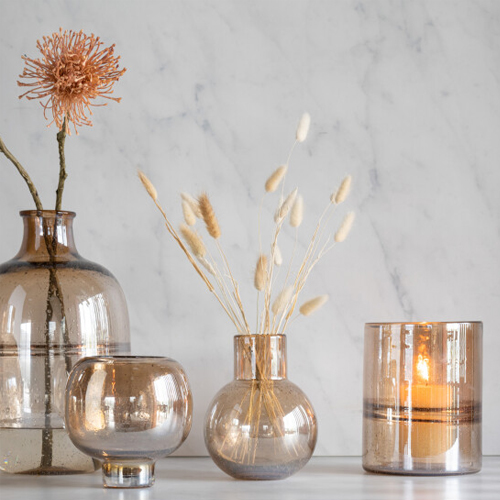
People throw around the word “handmade” like it’s some marketing trick. It’s not. At least, it shouldn’t be. A true handcrafts manufacturer doesn’t just assemble products — they build them from scratch, often with raw materials that don’t behave perfectly every time. That’s the point. You get variation, texture, character. In today’s market, where machine-made items flood every category, the role of a home decor manufacturer rooted in craftsmanship is honestly more important than ever. Customers are tired of identical pieces. They want something that feels… real. Something that doesn’t look like it came off a conveyor belt in five seconds flat. And yeah, that demand is growing faster than most businesses expected. How Skilled Craftsmanship Shapes Product Value Here’s the thing most people miss — craftsmanship isn’t just about how something looks. It’s about how it lasts. A skilled handcrafts manufacturer understands material behavior in a way machines don’t. Wood expands. Metal reacts. Fabric changes over time. That knowledge? It comes from experience, not software. You can tell when something’s made with care. The joints feel stronger. The finish looks deeper. Even small details, like edges or stitching, stand out. A home decor manufacturer working with trained artisans brings that level of detail into every product. It’s subtle sometimes, but it adds up. Over time, that’s what builds trust with customers. Not ads. Not discounts. Just consistency. The Difference Between Mass Production and Artisan Work Mass production is efficient. No argument there. It’s fast, scalable, and predictable. But it also strips away individuality. Every piece ends up looking exactly the same, which might work for some markets, but not for everyone. A handcrafts manufacturer operates differently. There’s a slower pace. More attention. Sometimes even small inconsistencies — and those aren’t flaws, they’re proof that a human actually made it. A good home decor manufacturer knows how to balance that. They don’t aim for perfection. They aim for authenticity. And honestly, that’s what people connect with more. Materials Matter More Than You Think You can’t fake quality materials. Doesn’t matter how good the design is — if the base material is weak, the product won’t hold up. A reliable handcrafts manufacturer spends serious time sourcing the right raw materials. Not just what’s cheapest or easiest to get. What actually works. For a home decor manufacturer, this becomes even more critical. These products sit in people’s homes every day. They get used, touched, sometimes abused a little. So yeah, durability matters. But so does feel. Texture. Weight. Those small sensory things people don’t always talk about, but they notice. Why Global Buyers Prefer Handmade Decor Products If you look at export trends, handmade decor is getting a lot of attention. Buyers from different countries are actively searching for a dependable handcrafts manufacturer who can deliver both quality and consistency. Not easy, by the way. Doing handmade work at scale without losing quality — that’s tough. A strong home decor manufacturer figures out that balance. They train artisans. Set processes. Still keep the human touch alive. That’s why international buyers stick around once they find a good supplier. It’s not just about price. It’s about reliability. And yeah, a bit of trust too, which takes time to build. Customization Is Changing the Game Customization used to be a luxury. Now it’s almost expected. People want decor that fits their space, their taste, their mood even. A flexible handcrafts manufacturer can adapt designs without completely reworking the process every time. That’s a big advantage. For a home decor manufacturer, offering custom options opens new doors. Different finishes. Sizes. Materials. Even slight design tweaks can make a product feel personal. And customers remember that. They come back for it. It’s not complicated, just… requires effort and a willingness to not take shortcuts. Challenges in Maintaining Handmade Quality at Scale Let’s be honest — scaling handcrafted production isn’t easy. There’s always a risk of quality slipping when demand increases. A handcrafts manufacturer has to constantly train teams, monitor output, and fix issues fast. Otherwise things fall apart quickly. A home decor manufacturer dealing with large orders also faces deadlines, shipping pressures, and cost constraints. It’s a balancing act. Push too hard for volume, quality drops. Focus only on quality, you miss deadlines. The ones who succeed? They find a middle ground. Not perfect, but workable. Building Long-Term Trust in the Decor Industry Trust isn’t built overnight. Sounds obvious, but a lot of businesses still chase quick wins. A handcrafts manufacturer that focuses on long-term relationships — with both artisans and clients — tends to last longer in the market. Same goes for any home decor manufacturer trying to grow globally. Communication matters. Transparency too. If something goes wrong, say it. Fix it. People respect that more than silence or excuses. Over time, those small actions build a reputation that no marketing campaign can replace. Conclusion At the end of the day, handcrafted production isn’t just about making products. It’s about preserving a way of working that values skill, patience, and attention to detail. A reliable handcrafts manufacturer doesn’t chase perfection — they chase authenticity. And that’s exactly what today’s buyers are looking for. For any home decor manufacturer aiming to stand out, the path is pretty clear. Focus on quality. Respect the process. Don’t rush what shouldn’t be rushed. It’s not the fastest way to grow, but it’s the one that actually lasts.